People

Associate Professor Luke Kelly
Email: ltkelly@unimelb.edu.au
Luke is an Associate Professor in Quantitative Ecology at the University of Melbourne. He leads research teams working locally and internationally. He studies the dynamics of plant and animal populations, educates about biodiversity and human well-being, and collaborates with diverse stakeholders to prevent species extinction. His current research focuses on understanding how ecological and evolutionary processes shape the diversity of life, particularly under changing fire regimes. Luke believes that science is at its best when inclusive and collaborative and he serves as Director for Culture, Diversity and Inclusion in the School of Agriculture, Food and Ecosystem Sciences.

Samantha Girvan
Email: sgirvan@student.unimelb.edu.au
Sam is a PhD candidate investigating the ecology of bilbies and other native mammals in semi-arid Australia. She is particularly interested in the role of habitat refuges in buffering mammal populations from modified patterns of fires, climate and invasive predators. Sam uses a mix of field studies, manipulative experiments and spatial modelling as part of her PhD research.

Dr Ella Plumanns Pouton
Email: e.plumanns@creaf.cat
Ella is a postdoctoral researcher working at the Centro de Investigación Ecológica y Aplicaciones Forestales (CREAF) in Spain and The University of Melbourne. She leads ecological research in Spain that supports the European Union’s biodiversity and climate goals. In Australia, her work examines the role of ecological burning and other types of fire across a wide range of ecosystems. She used a combination of field work, glasshouse studies and modelling to understand interactions between fire and other ecological processes.

Dr Leanne Greenwood
Leanne is a postdoctoral researcher working in the School of Agriculture, Food and Ecosystem Sciences. Her work is driven by a deep interest in fire ecology and mycology, and by a commitment to cross-cultural and cross-disciplinary collaboration. Leanne is working on the Fire mosaics in landscape planning project, a collaborative initiative between The University of Melbourne and Charles Sturt University, supported by Natural Hazards Research Australia and government agencies across southern Australia.
Dr Jeremy Johnson
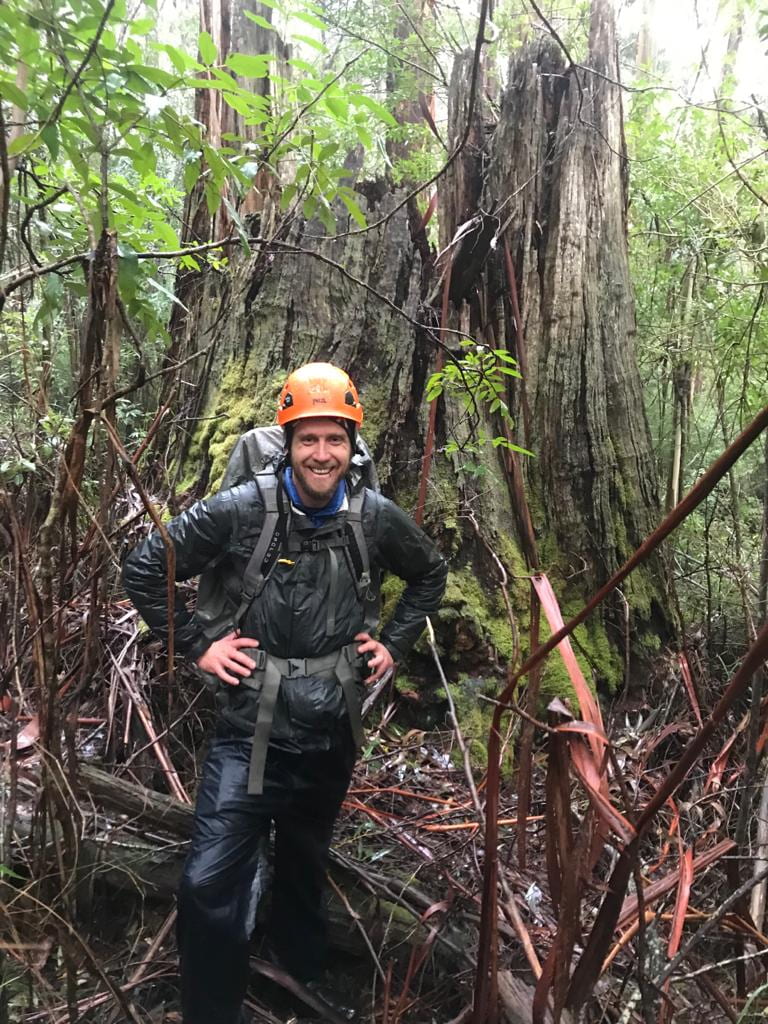
Jeremy is a postdoctoral researcher working on the Fire mosaics in landscape planning project, a collaborative initiative between Charles Sturt University and The University of Melbourne, supported by Natural Hazards Research Australia. He completed his PhD in 2025 in the School of Agriculture, Food and Ecosystem Sciences. He is proud of his heritage with the Darug people of the Sydney region. His PhD research focused on how mammals respond to wildfires in the Central Highlands of Victoria.

Lorien Francis
Lorien is an honours student in the School of Agriculture, Food and Ecosystem Sciences at The University of Melbourne. In 2026, she is starting new research on plants and their fire-related traits in heathlands and forests of southern Australia.
RESEARCH ASSOCIATES AND RECENT GRADUATES
Dr Eliza Thompson
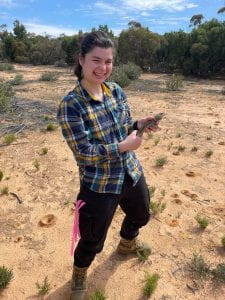
Eliza graduated with a PhD from the School of Agriculture, Food and Ecosystem Sciences in 2025. Her PhD research explored management options to increase the diversity of insectivorous birds in working lands. Eliza is passionate about science communication; you can find her on Instagram (@elizathompson98).

Emily Grining
Emily graduated with an Bachelor of Science (Honours) in 2025. During her honours research she investigated the ecology of agile antechinus and bush rats in heathy dry forests of western Victoria. She also explored methods for detecting and monitoring small mammals in areas that experience bushfires and planned burns. She is proud of her heritage as a Palawa woman.
Dr Michelle Gibson
Michelle was a Research Fellow in the School of Agriculture, Food and Ecosystem Sciences from 2021-2024 – and now works at Monash University. Originally from California, she has worked in Mediterranean ecosystems in the southwest U.S.A. and South Africa’s Cape region conducting research on invasive plants, pollination, and human disturbances on bird communities. Her work in Australia has involved desert bird ecology and measuring effectiveness of restoration actions for Australian woodland birds. Her research at University of Melbourne examined the effects of bushfires and planned burning on ecosystem resilience with a focus on avifauna monitoring across diverse ecosystems in Victoria.
Dr Amanda Lo Cascio
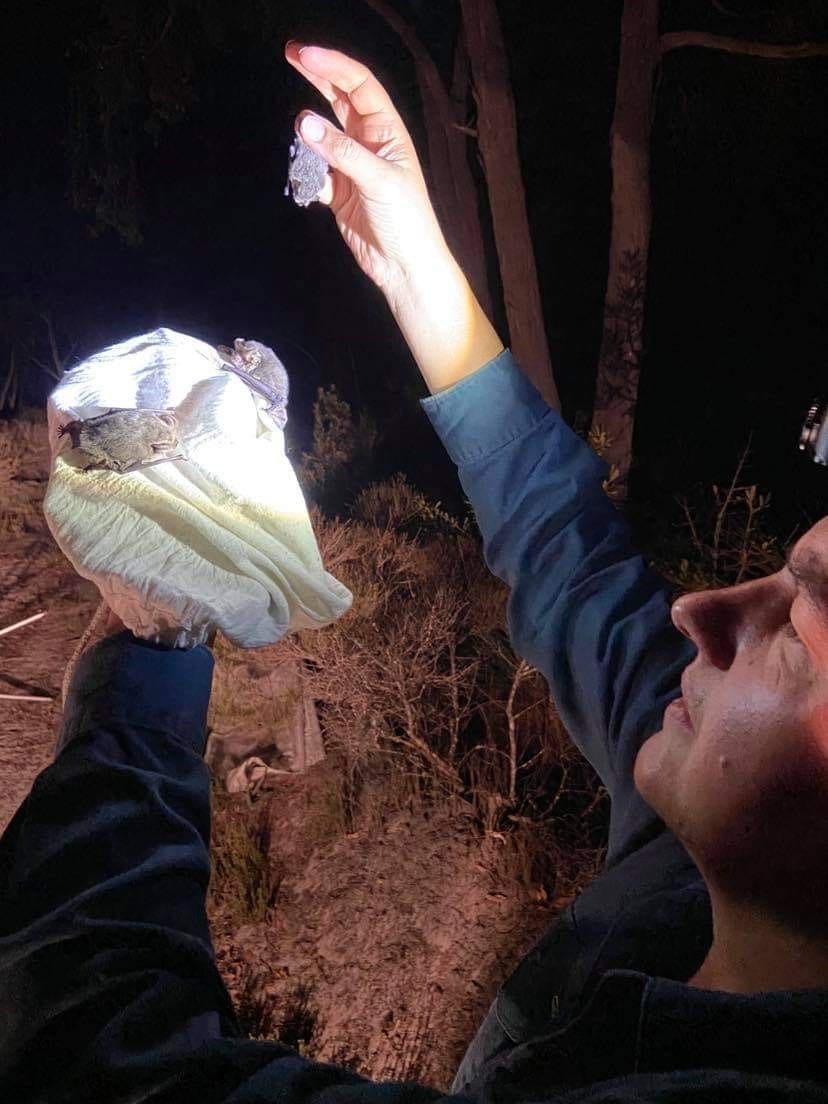
Amanda completed her PhD in 2024 in the School of Agriculture, Food and Ecosystem Sciences. Her research focused on the distribution and ecology of microbats in stringy-bark woodlands of Victoria. Amanda used a combination of field surveys and genomic techniques to explore the responses of microbats to landscape connectivity, fire regimes and other environmental gradients. Amanda is now a postdoc at Deakin University where she is expanding her research on wildlife ecology and spatial modelling.
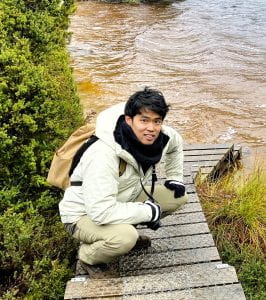
Takuya Nomura
Takuya completed a Master of Ecosystem Management and Conservation in the School of Agriculture, Food and Ecosystem Sciences in 2024. He has about 10 years of experience as a consultant in forest management and environmental conservation, with much of that work focused in Asia and including Vietnam, Indonesia and India. His research focused on developing and comparing ecosystem and biodiversity metrics to assist the private sector in evaluating their ecological footprint, through a case study in South Africa. Takuya was supervised by Prof Emily Nicholson and A/Prof Luke Kelly.
Dr Julianna Santos
Email: santos.j@unimelb.edu.au
Julianna completed her PhD in 2024 at the School of Agriculture, Food and Ecosystem Sciences. She comes from Brazil, where she studied the ecology and conservation of Neotropical mammals, including the population dynamics and diet of wild cats and several invasive species. Her PhD was on the ecology, genetic diversity and population dynamics of small mammals in fire-prone landscapes in southern Australia. Julianna is now a lecturer the School of Agriculture, Food and Ecosystem Sciences at University of Melbourne, based in the Quantitative and Applied Ecology Group, and is working on methods to support the implementation of the Red List of Ecosystems and targets of the Kunming-Montreal Global Biodiversity Framework.
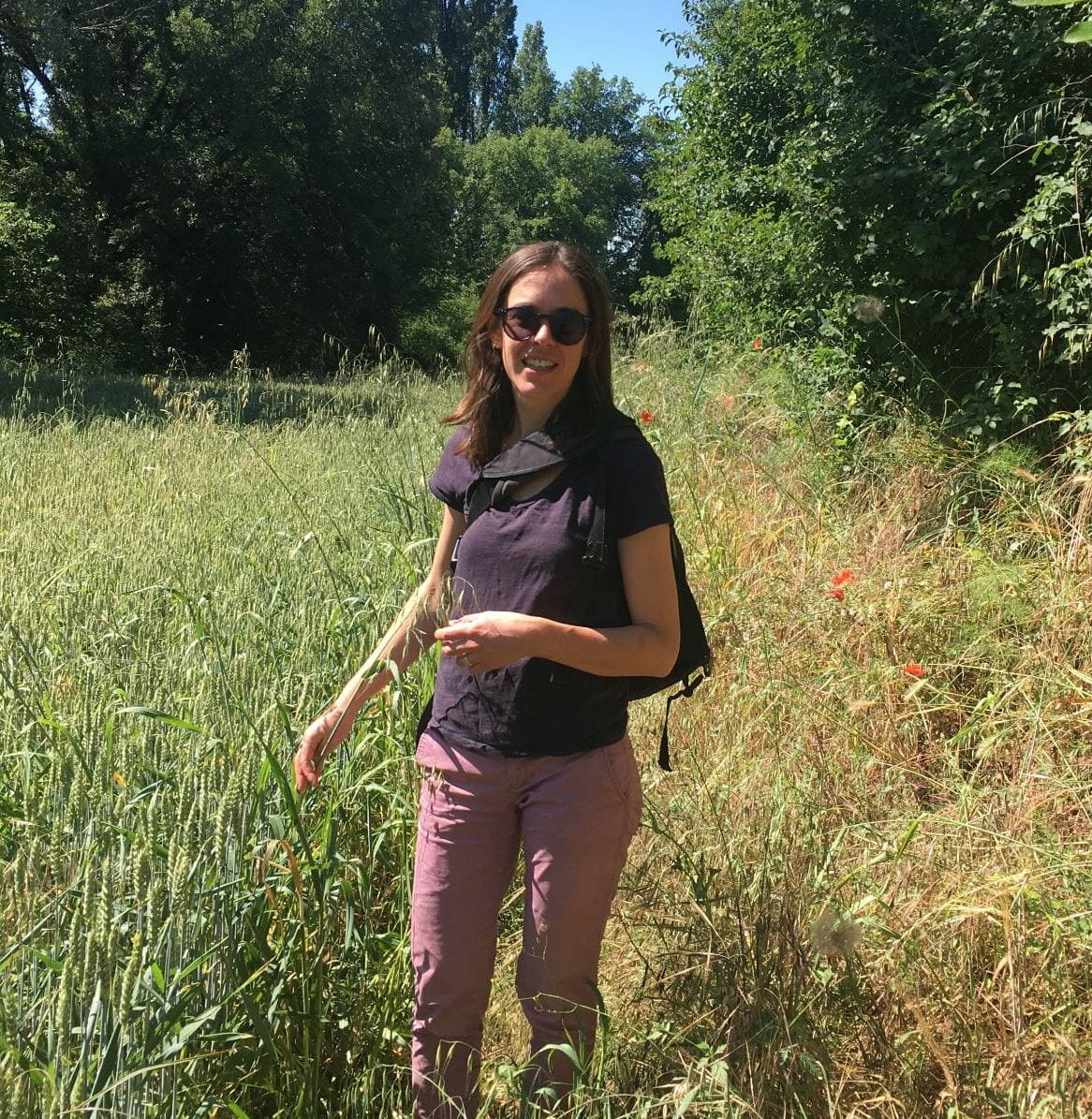
Dr Kate Giljohann
Kate was a Research Fellow at The University of Melbourne from 2017-2022 – and now works at CSIRO Land and Water. She is particularly interested in plants, conservation and the ecology of disturbances. Her research encompasses population, community and landscape-level analyses, with a focus on assisting environmental management. In collaboration with the Victorian Department of Environment, Land, Water and Planning, Kate developed a suite of models to enhance the evaluation of alternative fire management strategies for biodiversity.

Dr Katharine Senior
Kate was a Research Fellow in the School of Agriculture, Food and Ecosystem Sciences – and now works as an infectious disease modeller at the Telethon Kids Institute. She is interested in how plants in different ecosystems respond to bushfires and planned burning. Kate completed her PhD as part of the Spatial Solutions Fire Ecology Project, with a focus on using field experiments and models to understanding the impacts of fire on mammals and reptiles in the Murray Mallee region of southern Australia.
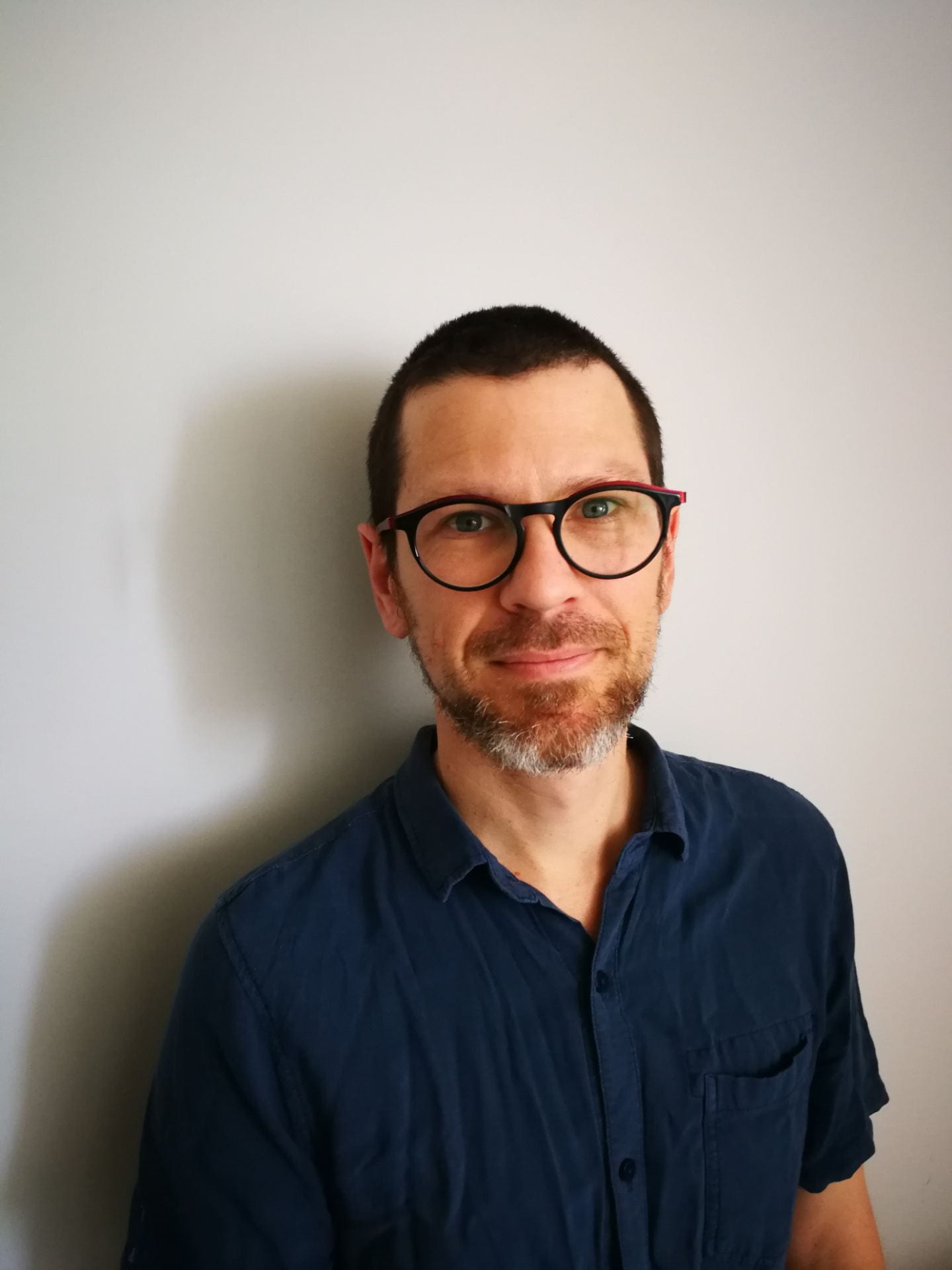
Dr Fred Rainsford
Fred is a Research Fellow at La Trobe University, Research Centre for Future Landscapes, and a member of the Spatial Solutions Fire Ecology Project (a collaboration between University of Melbourne and La Trobe University). He is particularly interested in the ecology and conservation of birds. He recently completed his PhD on how fire shapes bird and plant communities in a range of fire-prone ecosystems. His current research focuses on the drivers of bird diversity in agricultural landscapes and woodland ecosystems. This work aims to link farm-scale bird diversity with on-farm natural capital and to develop tools that will lead to more sustainable agricultural practices.

Lily Wheeler
Lily completed her Master of Science (Ecosystem Science) within the School of Ecosystem and Forest Science in 2020 – and his since taken up a PhD in the School. Her research interest is in biodiversity conservation, with a focus on mammal species. In her Masters research Lily investigated how landscape properties shape native small mammal distributions in western Victoria. Her project focused on fire and vegetation properties and Lily hopes to aid biodiversity conservation by better understanding the ecology of common and threatened species.
Isaac Kreger
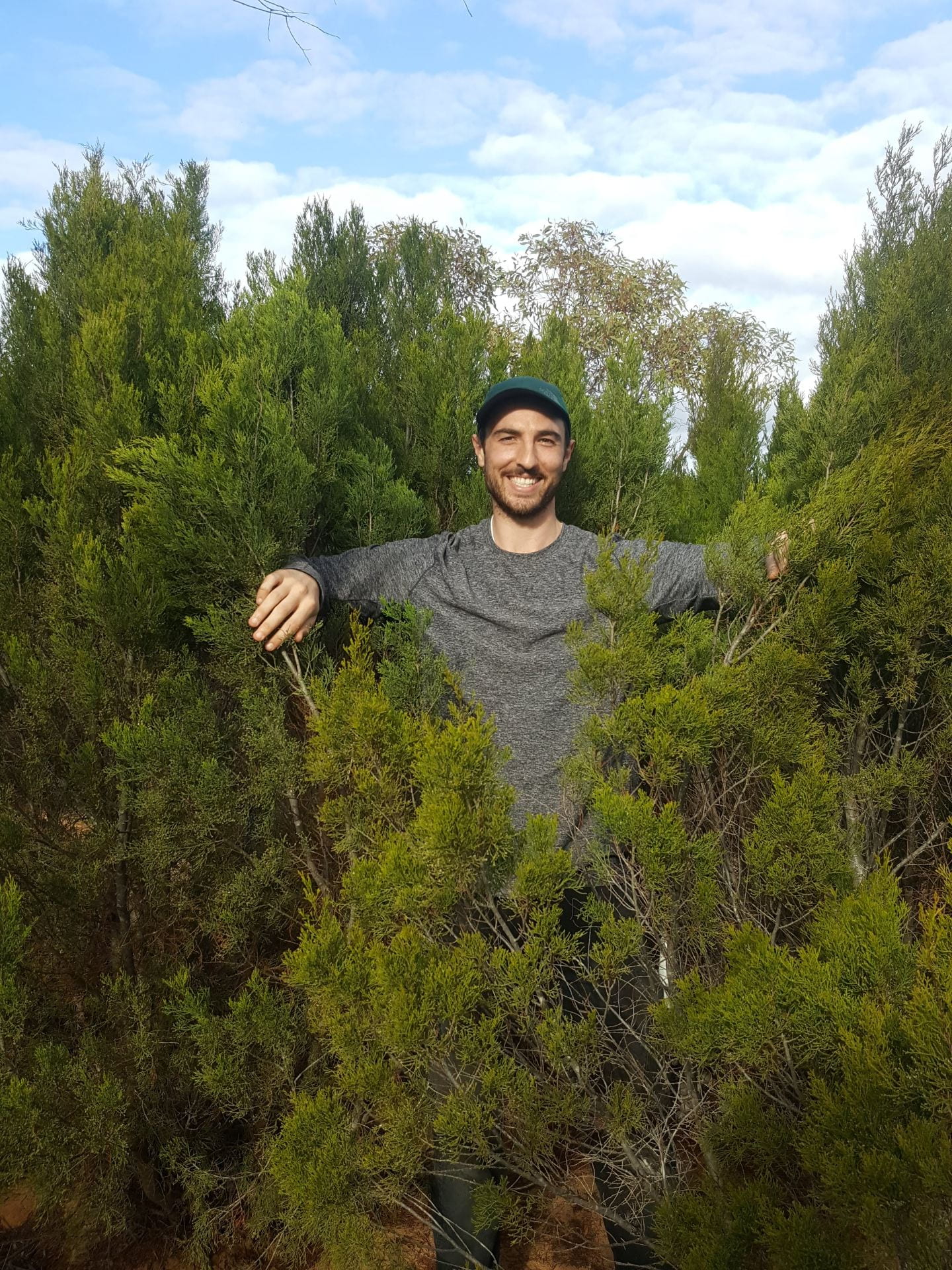
Isaac completed his Masters of Philosophy (Science) in the School of Ecosystem and Forest Sciences in 2021. He now works in ecosystem restoration in California, USA. Isaac studied how plant traits, such as bark, influence mortality and survival during and after fire. He used plant traits to predict vegetation response to fire and to understand how trees survive in semi-arid landscapes.